connecting where it counts


About Deep Alliance
Deep Alliance is committed to delivering high-impact marketing results in a cost-efficient manner. Offering a diverse suite of consulting services, Deep Alliance delivers clients strategic sports, event and brand-marketing insight, expertise and access. Deep's success is derived through a deep understanding of our clients’ businesses and by caring deeply about their success.
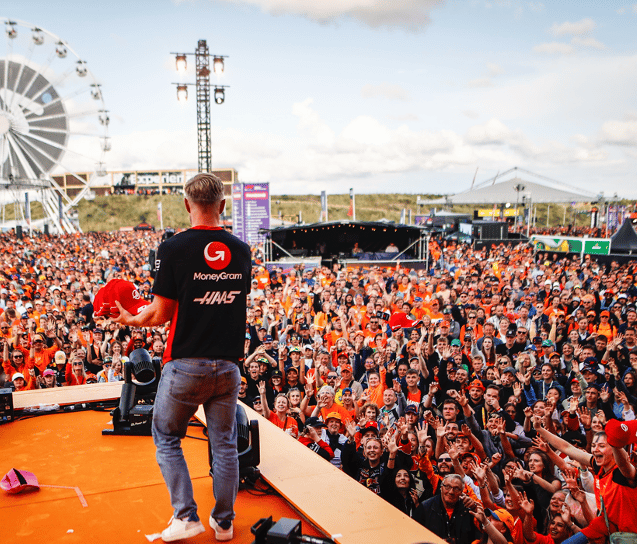

There is never a single answer to a business challenge. Our approach is to understand your business and brand in such depth that we can provide the best fits to drive your business. With proprietary tools such as the F.I.T. Analysis and Insight Mapping, Deep provides smart, cost-effective solutions that work.
Our Services
Delivering high-impact marketing results through strategic consulting and deep client understanding.
STRATEGIC PLANNING


All too often in sponsorship marketing, clear objectives and a roadmap are not established before the spending starts. If simply getting involved in sports or event marketing is your objective then there are infinite ways to do it. But, if you want to help build your brand and improve your business, then establishing a solid strategic platform for your investments is imperative. Deep Alliance ensures that all work is done in an objectives-rooted fashion, employing an Evaluation Continuum and F.I.T. Analysis customized for every client.


NEGOTIATION
Following a strategic approach in negotiating sponsorship alliances is vitally important. It’s imperative that you have a clear view of what you wish to accomplish with your relationship and what resources can be expended to activate it. Deep Alliance has experience negotiating sponsorships of all shapes and sizes, always keeping a keen eye on ensuring success for its clients.
A property can deliver a platform upon which to build a successful marketing program. But to unleash the power of the property to facilitate business gains a marketer must implement programs that engage customers. Deep Alliance can deliver the creative expertise to bring your property to life, as well as the capability to execute and fulfill any promotional effort.
ACTIVATION PLANNING


SPONSORSHIP MANAGEMENT
With creative chops reminiscent of much larger agencies, Deep Alliance is ready to tackle any creative challenge from digital, print, TV and radio ads to in-venue design to point-of-purchase and collateral.
CREATIVE DEVELOPMENT
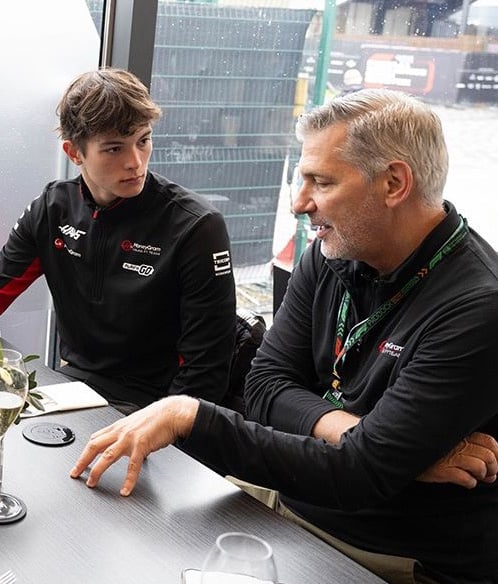
To ensure maximum return, steady communication between sponsor and property is a must. Productive partnerships grow from mutually respectful relationships and they take time, commitment and experience. Deep has a history of successfully managing partnerships worth millions of dollars. More importantly, Deep has a track record of success in making sure that its clients see value from their alliance marketing efforts.
Having worked with some of the world's most valuable brands, Deep Alliance has developed a keen capability to deliver a variety of brand marketing services more cost effectively than the typical branding or advertising agency. With a detailed process of uncovering the heart of a brand and access to world-class designers, Deep Alliance will increase the value of your brand and brand assets.
BRANDING SERVICES
Get in touch
We would love to connect with you. Let us know what's on your mind and we can start a dialogue.